
The glycemic index (GI) is a system that classifies foods according to their effect on blood glucose (sugar) levels after they are consumed. In other words, it measures how quickly a food raises blood sugar levels compared to a reference food—usually glucose or white bread—which is assigned a GI value of 100.
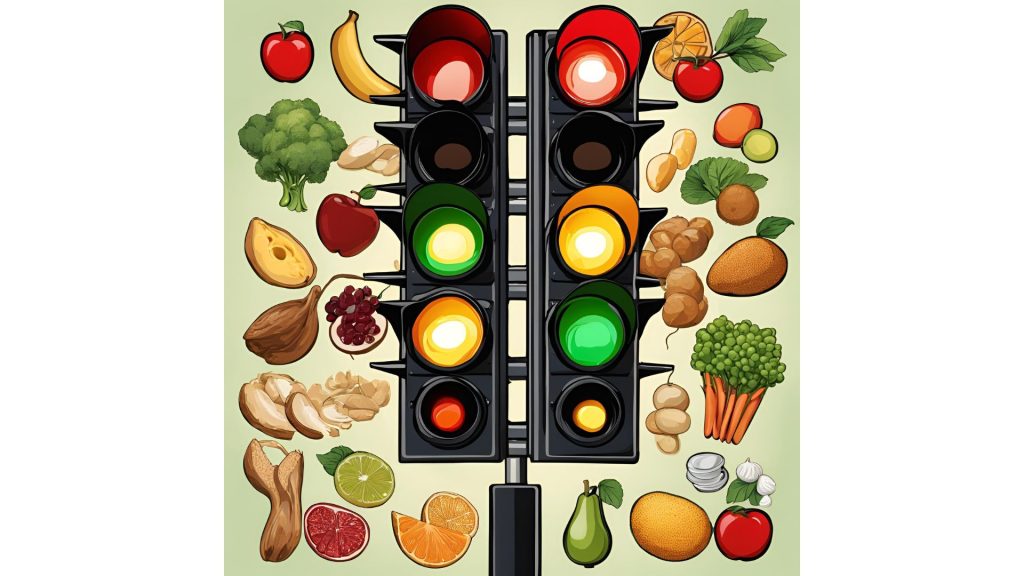
Foods with a low GI (55 or less): They are absorbed slowly and cause a gradual increase in blood sugar levels, which can be beneficial for maintaining stable energy levels and controlling appetite.
Foods with a medium GI (56–69): They have a moderate effect on blood sugar levels.
Foods with a high GI (70 or higher): They cause a rapid and significant increase in blood sugar levels.
The glycemic index can be useful for people who need to control their blood glucose levels, such as individuals with diabetes, because it helps them choose foods that do not cause rapid spikes in blood sugar. However, GI is not the only factor to consider when choosing foods, as other aspects—such as the amount of carbohydrates consumed and the overall nutritional content—are also important.



 English
  Español de México