
Starting a treatment as complex as diabetes care can feel overwhelming; however, small changes can make a big difference.
Here are some tips to help reduce blood glucose levels:
Eat balanced meals:
Make sure to include a good combination of proteins, healthy fats, and low–glycemic index carbohydrates (such as vegetables, fresh fruits, legumes, and whole grains). This helps prevent blood sugar spikes.
Avoid refined sugars and simple carbohydrates:
Limit foods such as white bread, soft drinks, pastries, and cookies, as they can rapidly raise blood glucose levels.
Include fiber in your diet:
Fiber-rich foods like vegetables, fruits, and whole grains help regulate the release of sugar into the bloodstream.
Exercise regularly:
Physical activity improves insulin sensitivity and helps lower blood glucose levels. At least 30 minutes of moderate exercise on most days is recommended.
Maintain a healthy weight:
If you are overweight, losing even a small amount of weight can help reduce blood glucose levels.
Manage stress:
Stress can increase blood glucose due to the release of hormones such as cortisol. Practicing relaxation techniques like meditation, deep breathing, or yoga can be helpful.
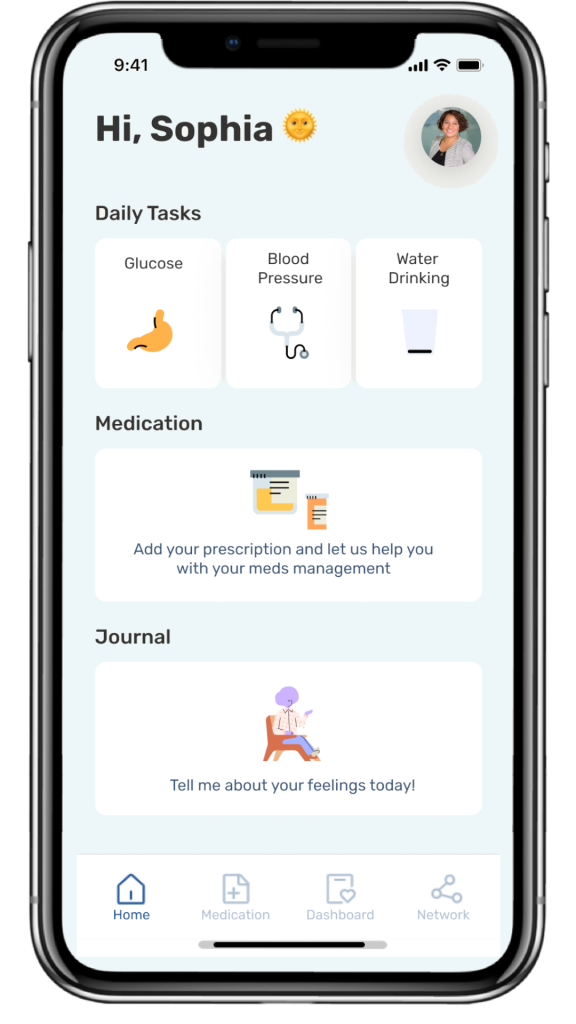
Monitor your glucose regularly:
If you have diabetes or prediabetes, checking your glucose levels is important to make adjustments to your diet or medication as needed.
Use apple cider vinegar in moderation:
Some studies suggest that apple cider vinegar may help lower blood glucose levels after meals, but it should be used cautiously and in moderation.
Get enough sleep:
Lack of sleep can disrupt blood sugar regulation. Aim for 7 to 9 hours of sleep per night to support metabolic health.
Consult a healthcare professional:
If you have difficulty controlling your blood glucose levels, it is recommended to consult a doctor or nutritionist for a personalized plan.
Is there any specific habit or change you would like to make?


 Español de México
  English