
English translation:
Purpose
To design a balanced meal plan that helps maintain stable glucose levels, prevent complications, and improve the quality of life of people with type 1 diabetes, type 2 diabetes, or prediabetes.
📌 Key Principles of Nutrition for Diabetes
Carbohydrate Control
- Choose complex carbohydrates (oats, legumes, brown rice, starchy vegetables).
- Avoid simple sugars (soft drinks, sweets, white bread).
- Apply carbohydrate counting or the exchange system.
Proper Meal Distribution
- 3 main meals + 1–2 healthy snacks.
- Avoid prolonged fasting.
Low Glycemic Index
- Choose foods that do not rapidly spike blood glucose (apple, lentils, sweet potato).
- Combine them with protein or healthy fats to prevent glucose peaks.
Healthy Fats
- Prefer monounsaturated and polyunsaturated fats (avocado, olive oil, seeds, fish).
- Limit saturated and trans fats (processed meats, fried foods, fast food).
Lean Proteins
- Skinless chicken, fish, legumes, tofu, eggs.
- Regulate red meat consumption.
Fiber at Every Meal
- Increases satiety, improves digestion, and helps control glucose.
- Found in fruits with skin, vegetables, seeds, and whole grains.
Adequate Hydration
- Plain water as the main source of fluids.
- Avoid juices, sugary drinks, or excessive consumption of diet beverages.
🍽️ Sample Daily Menu for Type 2 Diabetes
Meal | Suggested Foods
Breakfast
2 egg whites + 1 whole egg prepared Mexican-style + 1 slice of whole-grain bread + ½ avocado + unsweetened tea
Morning Snack
1 apple with skin + 10 almonds
Lunch
Green leafy salad + grilled chicken + ½ cup brown rice + ½ cup beans + 1 orange
Afternoon Snack
1 plain unsweetened yogurt + 1 tablespoon ground flaxseed
Dinner
Vegetable soup + 1 whole-grain sandwich with tuna in water and vegetables
📊 Useful Planning Tools
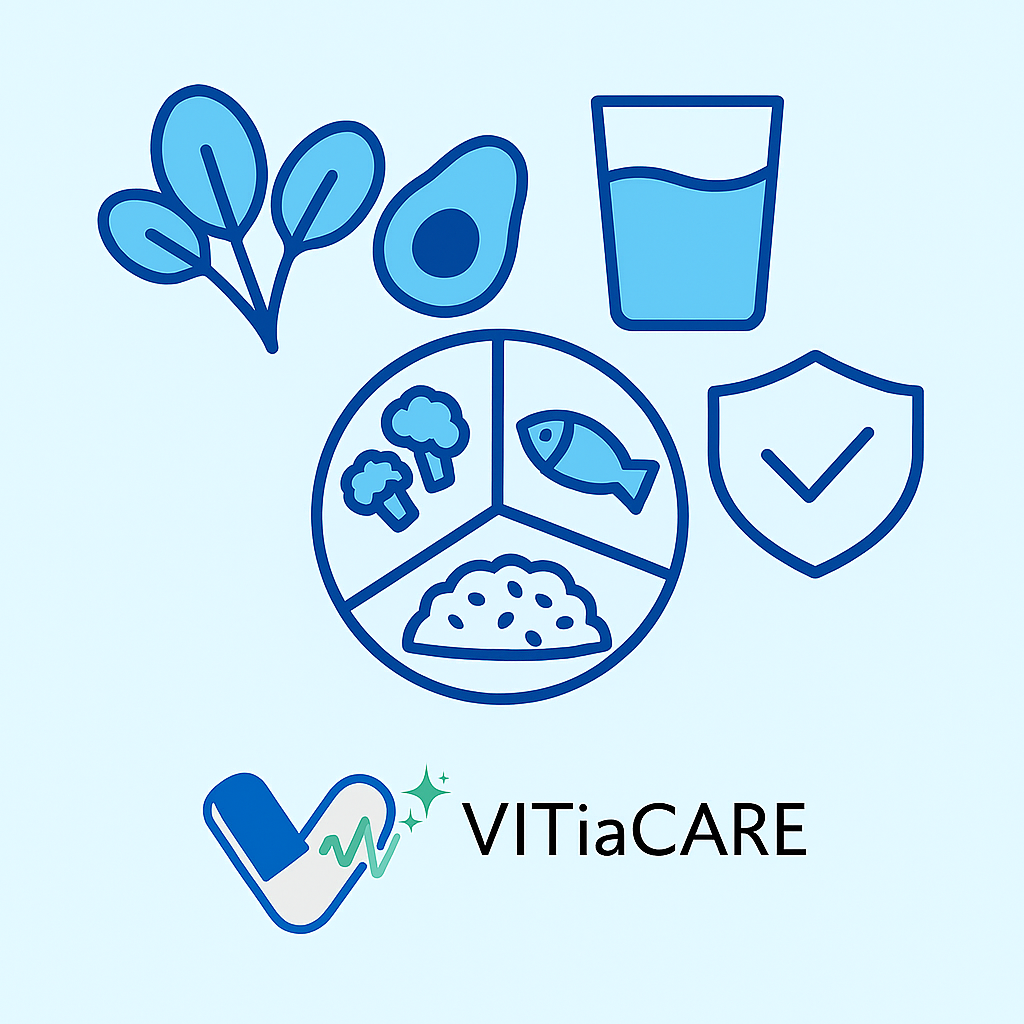
- The “Healthy Plate” adapted for diabetes
- Carbohydrate-counting apps (Carb Manager, mySugr)
- Nutrition label reading
- Food diary + glucose level tracking
⚠️ Special Recommendations
Adjust the plan based on:
- Level of physical activity
- Medication (insulin or oral agents)
- Presence of complications (such as kidney disease or hypertension)
Always consult a registered dietitian specialized in diabetes or a diabetes educator.
💡 Practical Tips
Read labels: look for “no added sugar” and low sodium
Do not skip meals
Measure portions (cups, spoons, food scale)
Plan weekly menus with a shopping list
- Cook at home more often
- Read labels: look for “no added sugar” and low sodium


 Español de México
  English